


VioletA Film by Sarah Deakins
↓ PDF

Sometimes the family you choose saves you from the past you were born into.

Violet, a feature film by Sarah Deakins A Feature Film
Lookbook
Scroll

Logline

Two attendants working in an underground public washroom in the seediest part of town develop a friendship with a sex worker who forces them all to confront their secrets, as they form the world's most unexpected book club.

GenreDrama
Budget$2-4 Million

Selected Accolades

UK Golden Script CompetitionWinner
Academy Nicholl FellowshipTop 40
The Black List9/10 Rating
Outstanding ScreenplaysWinner

“This script made me cry. It's clever, heartfelt, original—just beautiful.” — Nicholl Fellowship Reader

Tonal DNA

Intimacy. Humanity. Poetry.

The Whale
The Whale
Women Talking
Women Talking
Moonlight
Moonlight

Violet

Synopsis

Beneath the city streets, hidden from daylight and easy judgment, Lena spends her days working as an attendant in a crumbling underground washroom. Guarded and withdrawn, she keeps the world at a distance. When Leonard, a shy newcomer carrying secrets of his own, arrives on the job, he enters a world already populated by a regular cast of unseen lives, including Stella, a fearless sex worker who moves through the washroom with unapologetic confidence.

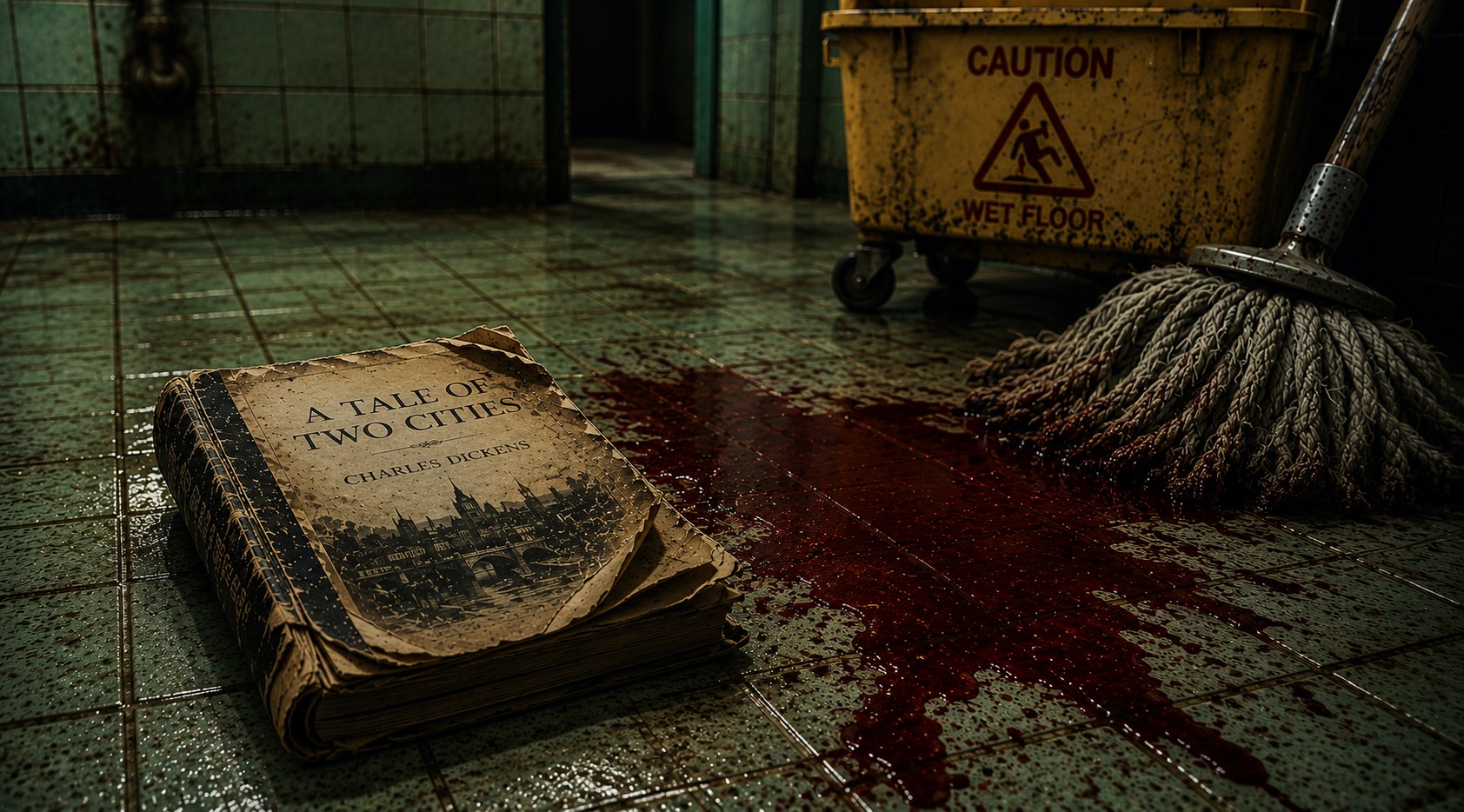
While Lena and Leonard settle into an uneasy coexistence, sharing space but little else, Stella refuses to let either of them disappear into isolation. One day, she asks Lena to read aloud from a novel while she works. What begins as a simple act of companionship evolves into an unlikely ritual, transforming the washroom into the world's most unexpected book club.

As stories fill the space, the boundaries between survival and living begin to blur. Through literature, laughter, and hard-won honesty, the three forge a fragile found family. The harsh underground world that once felt cold and forgotten slowly becomes a sanctuary, an almost magical place where wounds can be spoken aloud and new possibilities imagined.

When a shocking act of violence threatens to destroy the fragile family they have created, Lena and Leonard must decide whether to retreat into isolation or carry forward the connection Stella fought to build.

Set within one of society's most overlooked spaces, VIOLET is an ode to storytelling itself; a deeply human tale about friendship, courage, and the ways stories can transform survival into belonging.

Main Characters

The Heart of Violet

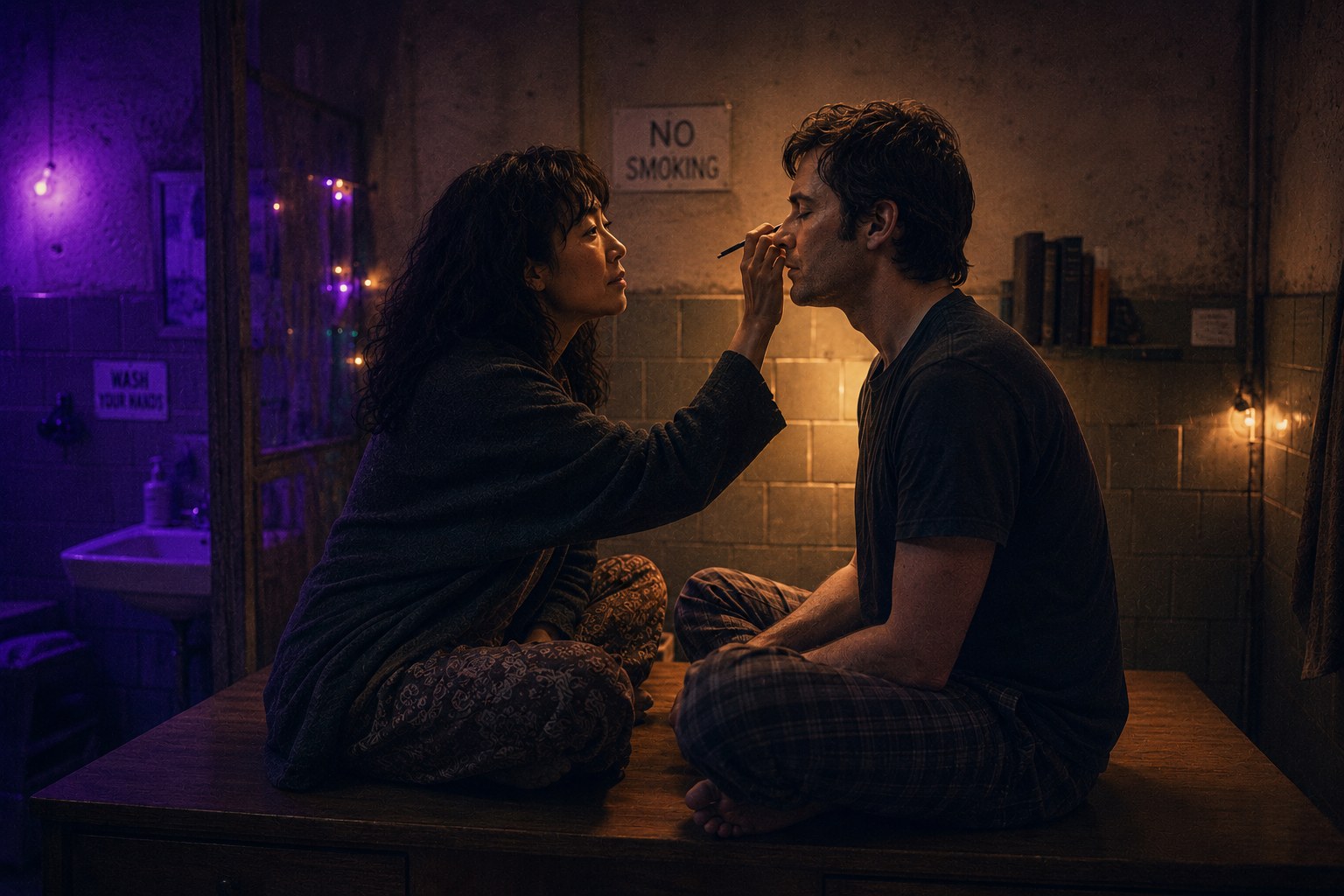
Lena and Leonard in the washroom
Casting reference

Lena

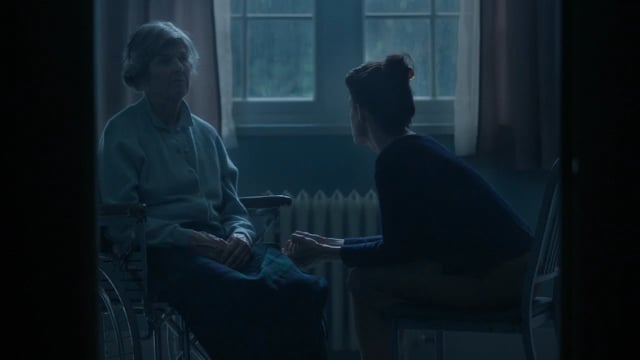
Guarded and withdrawn, Lena has spent her life trying to disappear. She finds refuge in books but struggles to let anyone into her world. Through an unexpected friendship, she begins to discover that being seen may not be something to fear.

Leonard

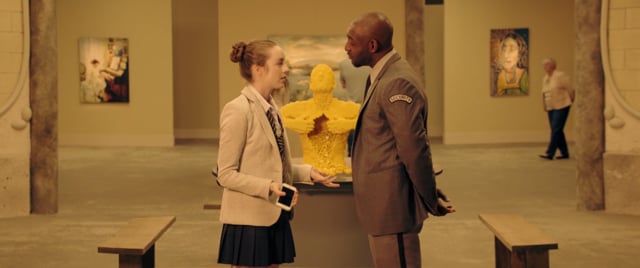
Gentle and quietly hopeful, Leonard has learned to hide who he is in order to survive. Newly hired as a washroom attendant, he longs for connection and gradually finds the courage to step into the light.

Stella
Casting reference

Stella

Fearless, compassionate, and impossible to ignore, Stella refuses to let anyone disappear. A sex worker and devoted mother, she challenges Lena and Leonard to claim the dignity, joy, and belonging they deserve.

“Together, they create a family none of them believed they deserved.”
A mother and child reading together by lamplight

Story as Survival

“The characters in VIOLET are all people who have slipped through the cracks. Through storytelling, they find a way back to themselves, and to one another.”

At its heart, VIOLET is about the stories we inherit, the stories we tell ourselves, and the stories that keep us alive.

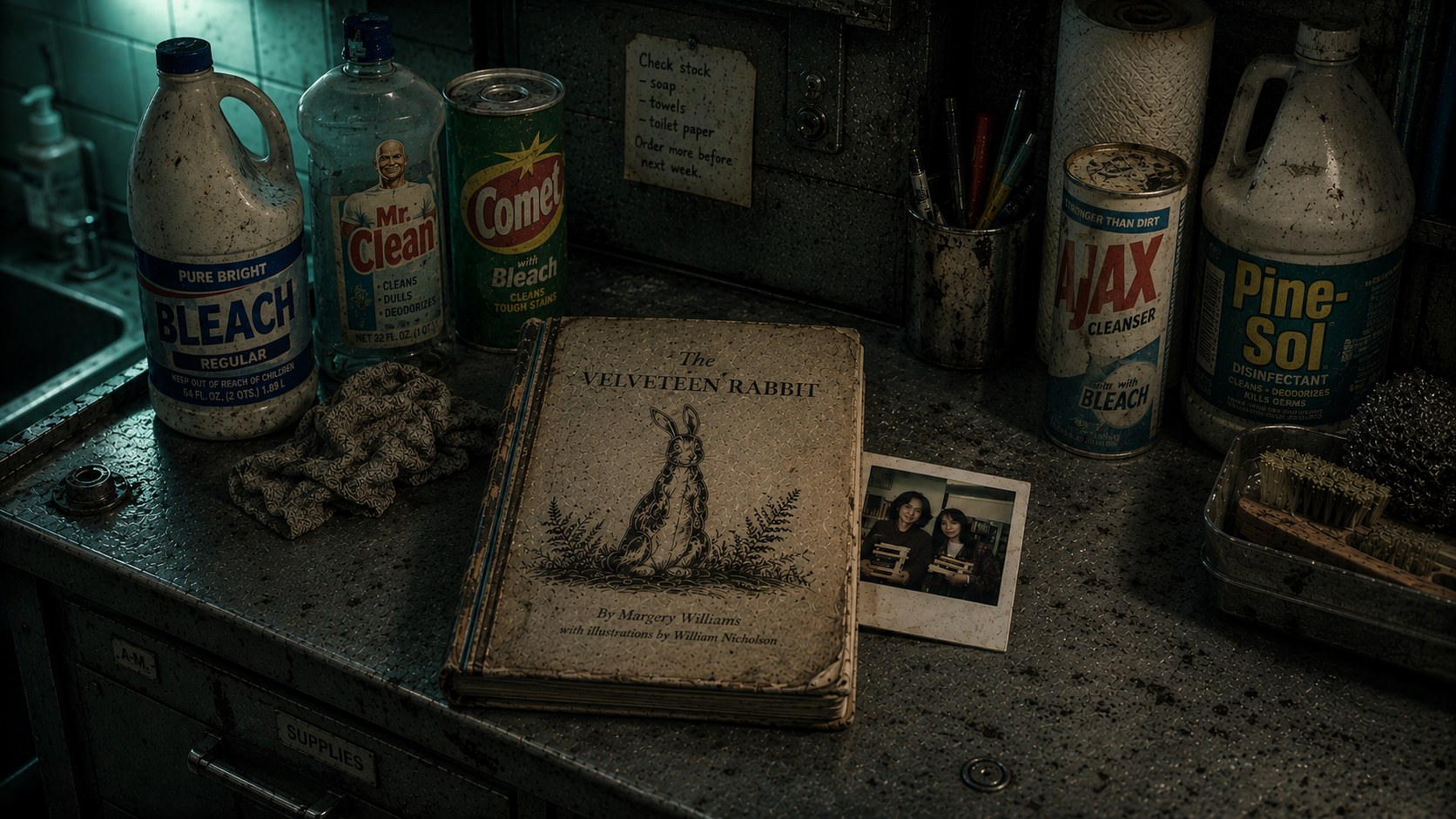
Lena's love of books is one of the few gifts left to her by her mother. Through literature, she escapes a world that has often felt unsafe and discovers lives larger than her own.

For Leonard, stories offer something different: possibility. They provide a language for experiences he has never seen reflected around him and a glimpse of a future beyond survival.

For Stella, stories create community. She understands instinctively that people cannot heal in isolation. When she asks Lena to read aloud, she transforms an ordinary washroom into a gathering place where three lonely people can finally be seen.

What begins as a simple ritual becomes an act of care, resistance, and love. Through shared stories, strangers become friends, friends become family, and survival becomes something richer: belonging.

In a world that often pushes people to the margins, VIOLET celebrates storytelling as one of our most powerful acts of connection.
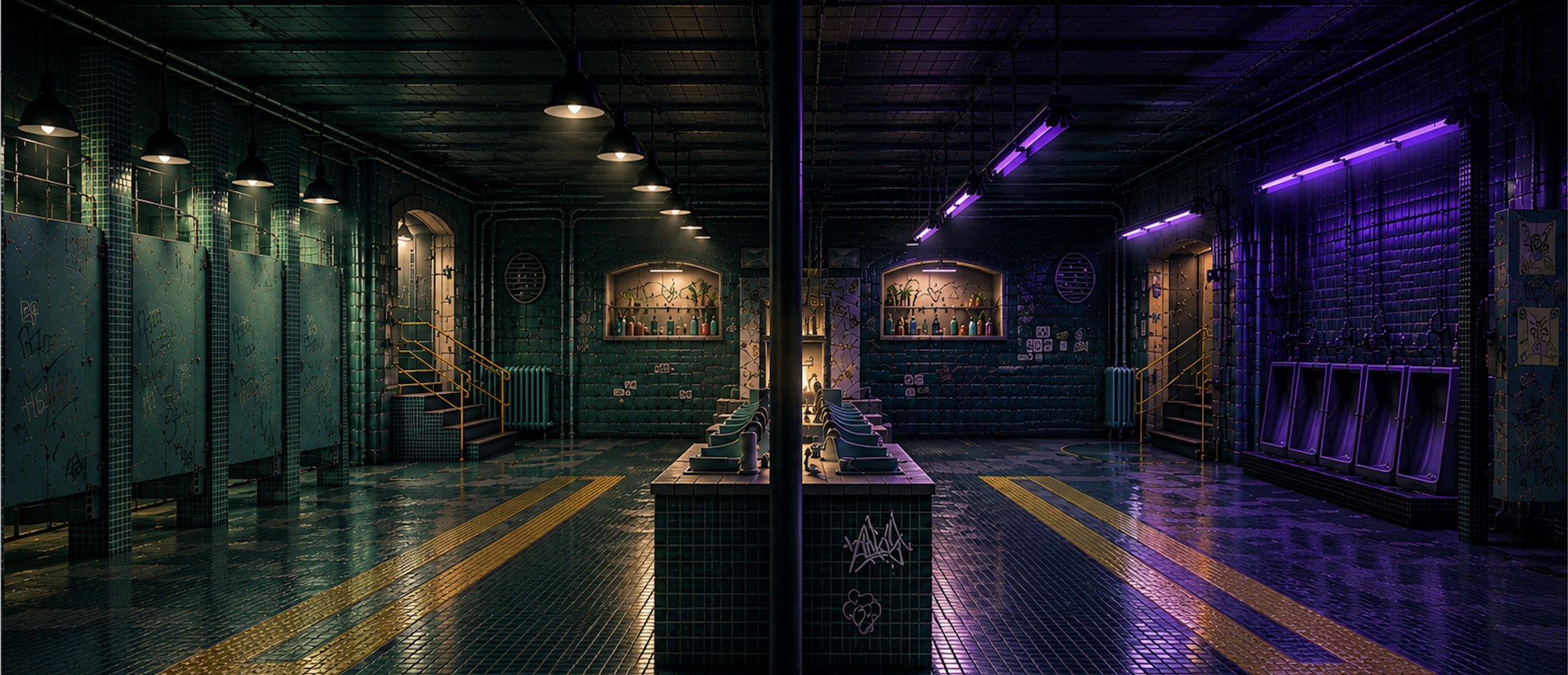

The underground washroom, empty

The World Behind Violet

Inspired by a forgotten place

VIOLET was inspired by an article about Vancouver's underground public washrooms and the attendants who worked within them.

Once common in cities across North America, these hidden spaces existed beneath busy streets, serving thousands of people each day while remaining largely invisible to the public above. Their attendants occupied a unique position: present for countless private moments, yet often overlooked themselves.

Set in the early 1990s, VIOLET explores a period when many LGBTQ+ individuals, sex workers, and other marginalized communities were forced to create connection and safety in the spaces available to them. The film imagines one such place—a forgotten corner of the city where three lonely people discover friendship, dignity, and belonging.

While inspired by a real history, VIOLET is ultimately a celebration of the extraordinary connections that can emerge in the most unexpected places.

Director / Writer

Sarah Deakins

Sarah Deakins

Award-winning Canadian writer and director Sarah Deakins creates character-driven films that explore connection, resilience, and the power of storytelling. Her short film GREECE received more than 25 international festival awards, and her pilot presentation YELLOW earned multiple honours, including Best Director at the Winter Film Awards in New York.

Her feature screenplay VIOLET won the UK Golden Script Competition, placed in the Academy Nicholl Fellowship Top 40, and received a 9/10 rating on The Black List. She also wrote the produced feature HOME FREE, now streaming internationally.

Drawing on over twenty years as a professional actor, Deakins brings a deeply collaborative, performance-focused approach to filmmaking.

Selected Work

Director's Statement

As a child, one of the most influential people in my life was my artist stepmother. Watching her descend into schizophrenia and eventually disappear into life on the streets profoundly shaped the stories I am drawn to tell. For years I searched for her each summer, encountering people whose lives had slipped through the cracks of society. What struck me repeatedly was not their brokenness, but their humanity. Those experiences continue to inform my work. I am drawn to characters who have been overlooked, underestimated, or dismissed, and to stories that reveal the dignity and complexity that exists beneath those assumptions.

As an actor for more than twenty years, I have always been fascinated by the private worlds people carry inside them. My directing process is deeply performance-driven and collaborative. I am interested in creating an environment where actors feel safe enough to be vulnerable, allowing intimate moments to emerge naturally rather than be forced.

VIOLET embodies many of the themes that have followed me throughout my career: connection, empathy, chosen family, and the belief that stories have the power to bring people back to themselves and to one another. Though set in a forgotten corner of the city, the film ultimately celebrates something universal: our need to be seen, accepted, and loved.

— Sarah Deakins

Production Design

The Washroom

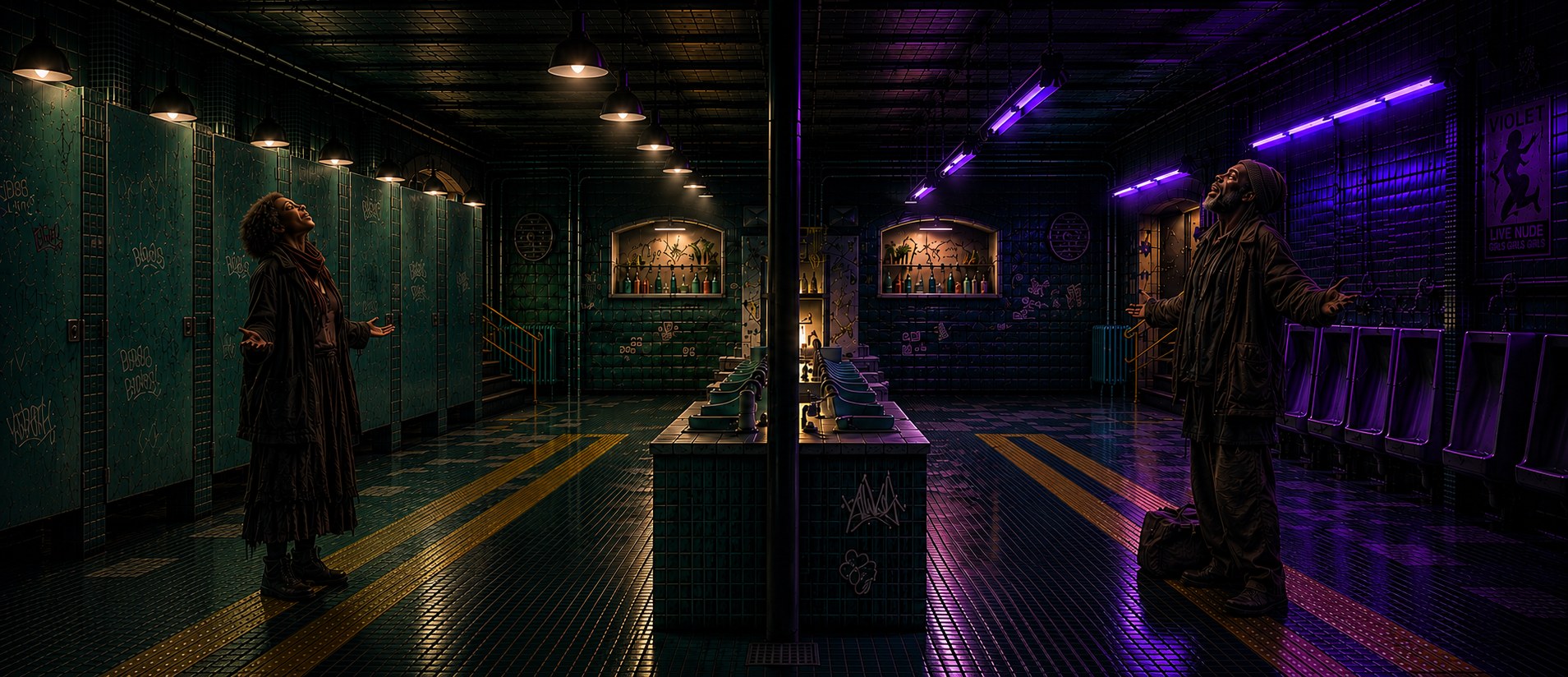
Designed as a fully controllable studio build, the washroom allows for extensive camera movement while preserving the intimacy of a contained story. Removable walls and adaptable spaces provide flexibility for both intimate character moments and more ambitious visual sequences.

Originally inspired by the elegance of early twentieth-century public architecture, the space has aged into something neglected and forgotten. Layers of wear, water damage, and institutional repair tell the story of a place that, like its inhabitants, has been overlooked but not entirely abandoned.

As the relationships between the characters deepen, the environment subtly transforms through lighting and colour, revealing unexpected warmth within an otherwise unforgiving world.

Proof of Feasibility

Virtual Set Walkthrough

Visual Journey

The underground world

The Underground World

Cold, institutional, forgotten

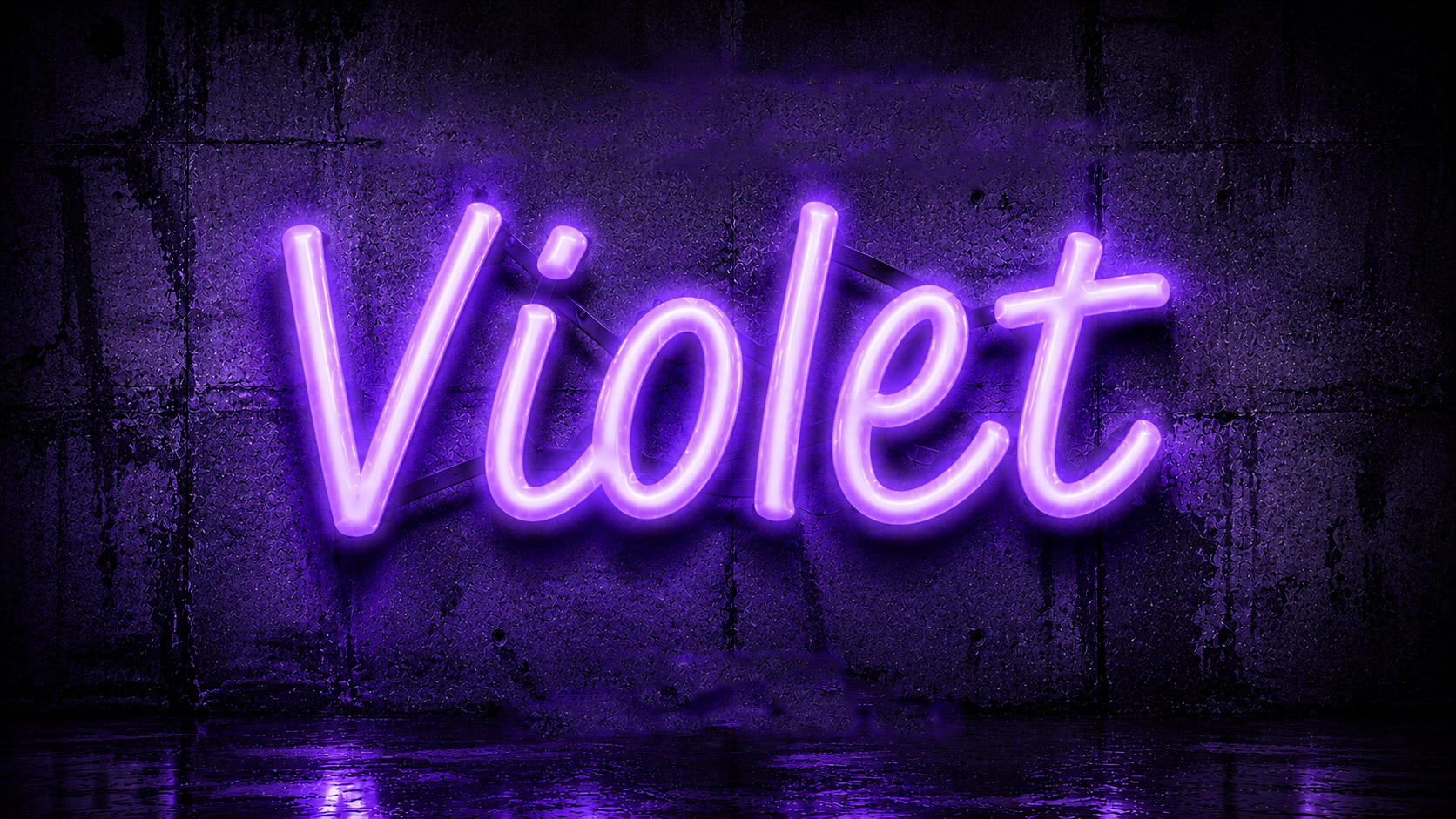
The washroom is cold, institutional, and forgotten. Hospital-green tiles, ultraviolet shadows, and pockets of darkness reflect the isolation of the people who inhabit it. As the characters grow closer, warmth gradually enters the frame, transforming the space into an unexpected refuge.

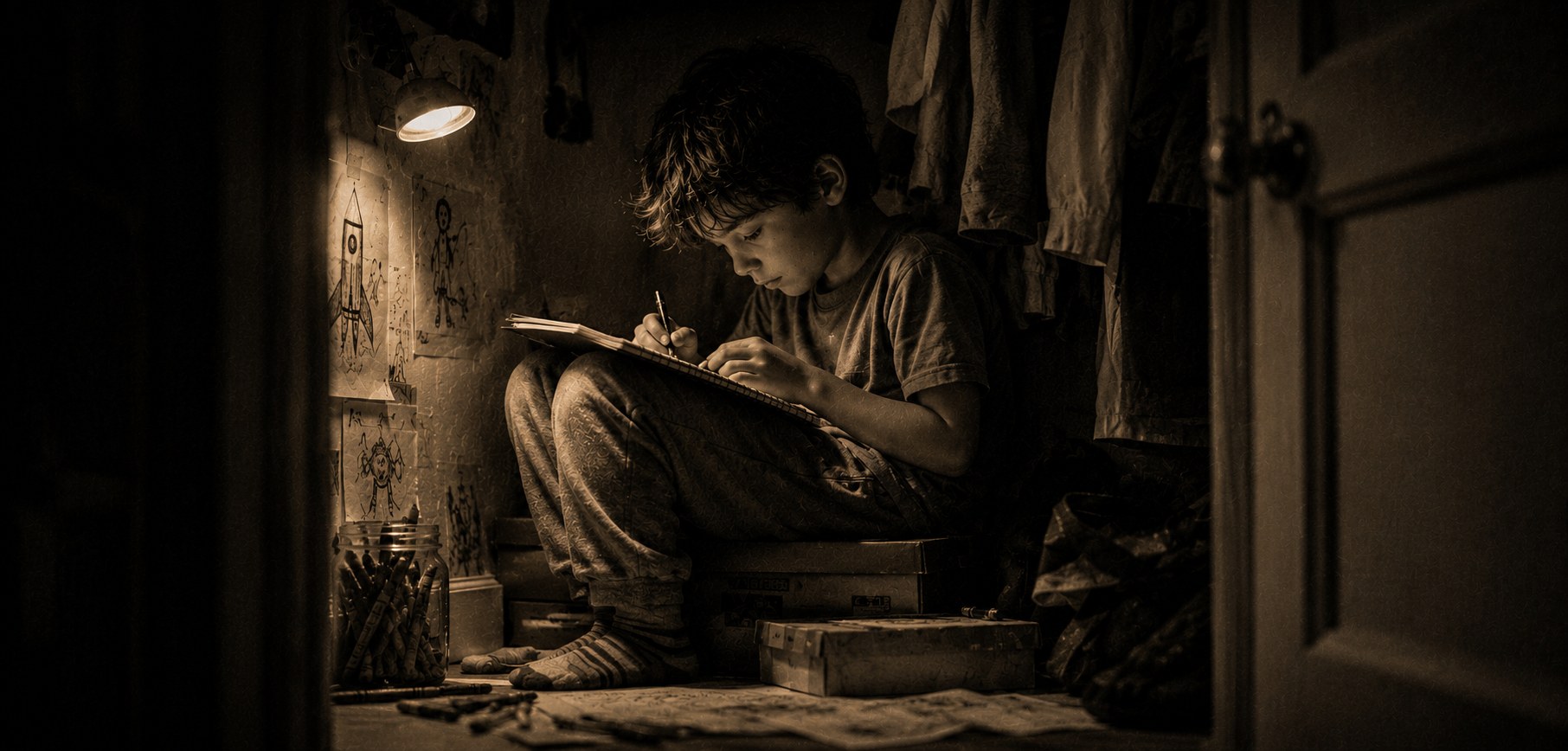
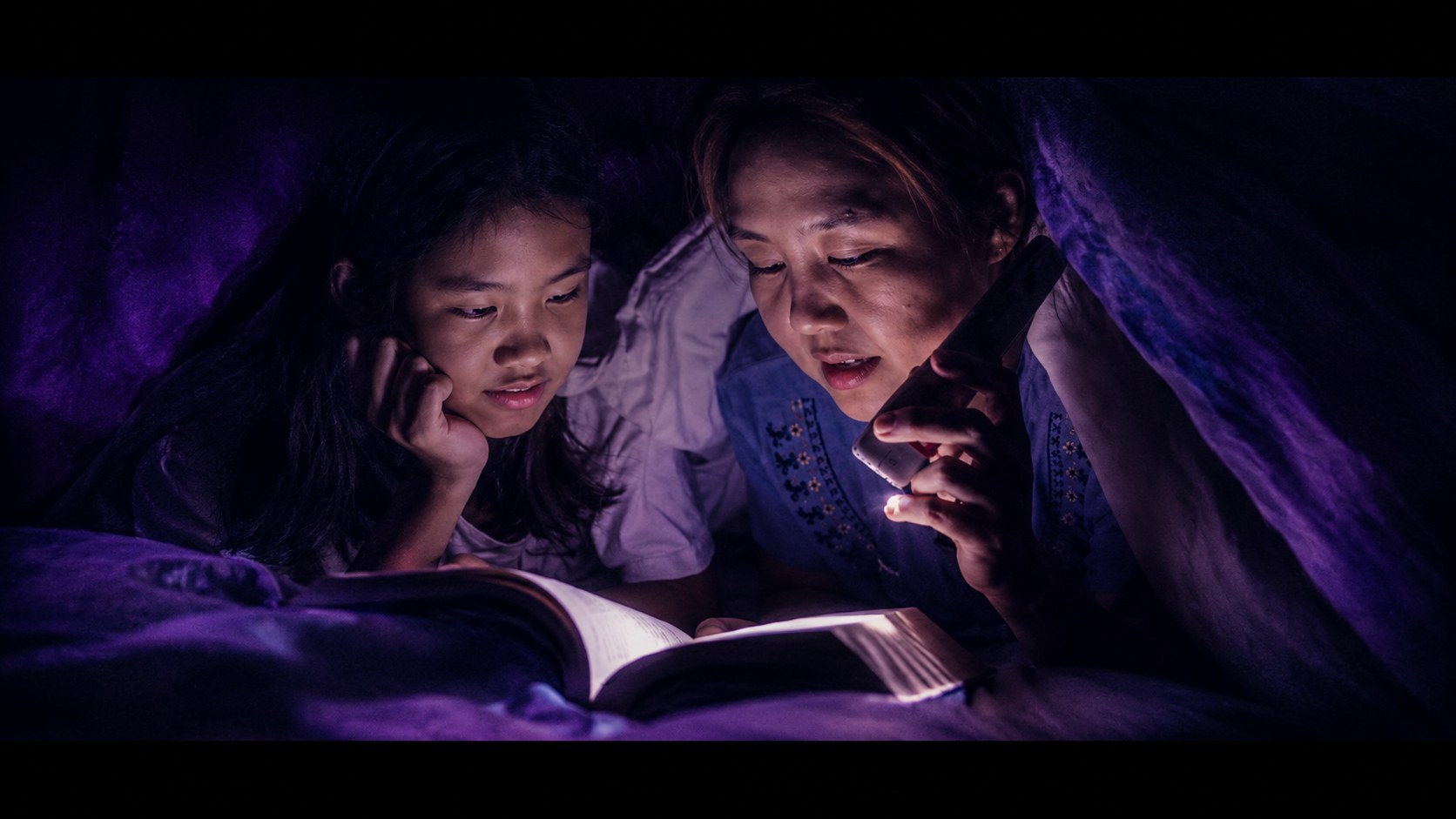
Lena as a child, reading by flashlight Leonard as a child, drawing in a closet

Memory

Fragments of the past

Moments from Lena and Leonard's past break through the present narrative like fragments of memory. These sequences allow us to leave the washroom and experience the emotional histories that shaped them, contrasting the confined reality of the present with the wounds they continue to carry.

A new life

A New Life

Open skies, sunlight, home

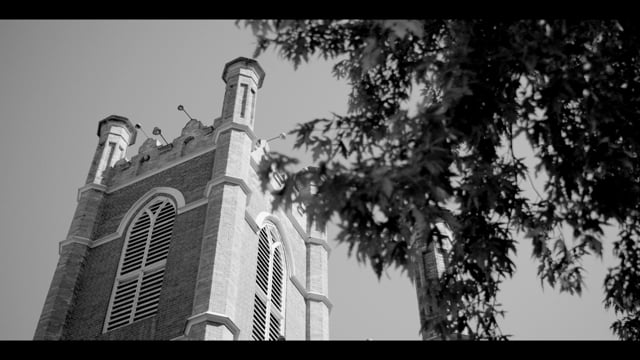
In the film's final movement, the visual language shifts completely. Open skies, sunlight, and fields of sunflowers replace concrete and fluorescent light. The change is not merely geographic—it reflects the possibility of hope, healing, and a future beyond survival.

The Evolution of the Space

Proof of Vision

Storyboard - Opening Sequence

Contact

Sarah Deakins

Writer · Director

Edit mode — click any text to change it.